




Published May 13, 2026
by Stephen Brayton
• Updated June 07, 2026
Rethinking CMMS Reporting: Metrics That Actually Matter
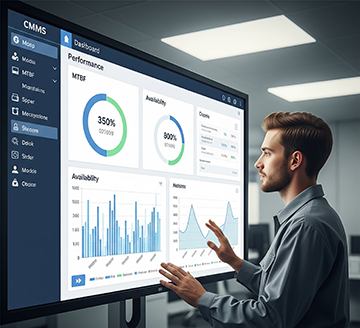 Rethinking CMMS reporting takes on new meaning when the focus shifts from basic reports to meaningful metrics. Maintenance teams often track numbers without understanding their deeper impact. A modern CMMS changes that by exposing patterns hidden within daily operations. The real advantage comes from identifying which metrics drive smarter decisions.
Why Traditional Maintenance Metrics Fall Short
Maintenance departments often rely on familiar indicators such as total downtime or completed work orders. These numbers offer surface-level insight but fail to explain why problems occur. A facility may report high uptime while hidden inefficiencies quietly increase costs.
A CMMS brings clarity by linking data points across systems. Instead of viewing metrics in isolation, teams can evaluate how labor, parts, and asset history interact. This connected view shifts reporting from reactive observation to informed analysis.
For example, a food processing plant may track equipment downtime. Without deeper metrics, the team may miss that most failures occur after specific sanitation cycles. A CMMS captures that relationship and highlights the root cause.
5 Overlooked Maintenance Metrics Your CMMS Can Reveal
Maintenance-Induced Failures
Repairs do not always fix problems. In some cases, they introduce new ones. Maintenance-induced failures occur when incorrect procedures, poor training, or faulty parts lead to repeated breakdowns.
A CMMS tracks every maintenance action tied to an asset. This history allows supervisors to identify patterns where failures follow recent work. For example, an aviation maintenance team may notice recurring hydraulic issues after scheduled servicing. The system reveals technician involvement, parts used, and timing.
With this insight, managers can adjust training, review procedures, or change suppliers. The result includes fewer repeat failures and stronger reliability.
Parts Delay Impact on Downtime
Inventory shortages often extend equipment downtime. Traditional reports may show delays but fail to quantify their true impact.
A CMMS connects inventory data with work orders and asset performance. This connection allows teams to measure how long equipment sits idle due to missing parts. A manufacturing facility may discover that a low-cost component causes extended downtime because of inconsistent stock levels.
This metric shifts inventory management from guesswork to precision. Teams can adjust reorder points and supplier relationships based on actual operational impact.
Maintenance software that delivers real value
MAPCON helps maintenance teams stay ahead of work orders, support better decisions, and reduce downtime.
Technician Efficiency by Asset Type
Not all technicians perform equally across every asset. Some excel with electrical systems, while others handle mechanical repairs more effectively.
A CMMS tracks labor hours, completion rates, and asset categories. This data allows managers to evaluate technician efficiency based on specific equipment types. In a hospital setting, certain technicians may complete HVAC repairs faster than others, while another group handles imaging equipment with greater accuracy.
Assigning work based on these insights improves productivity and reduces errors. The system supports better scheduling and skill development.
Repeat Failure Rate by Asset Class
Recurring failures signal deeper issues. These may include design flaws, improper usage, or ineffective maintenance strategies.
A CMMS groups assets into classes and tracks failure frequency. This feature allows teams to identify which categories experience the most repeated issues. For instance, a logistics company may find that a specific forklift model shows higher failure rates than others.
With this knowledge, decision-makers can evaluate replacement strategies, adjust maintenance schedules, or negotiate with vendors. The metric provides direction rather than just reporting problems.
Work Order Backlog Aging
A growing backlog often hides operational inefficiencies. Standard reports may list open work orders but fail to highlight urgency.
A CMMS assigns timestamps and priority levels to each request. This structure allows teams to measure how long work orders remain unresolved. Aging backlog data reveals bottlenecks in labor allocation or approval processes.
In a university campus environment, aging work orders for classroom HVAC systems may indicate staffing shortages during peak seasons. Addressing this issue improves response times and occupant comfort.
How a CMMS Transforms KPI Tracking
A CMMS does more than collect data. It organizes information into actionable insights. Each metric connects to real operational outcomes, allowing maintenance teams to act with purpose.
Real-time updates ensure accuracy. When technicians complete tasks or log issues, the system reflects those changes immediately. This feature supports faster decision-making and reduces reliance on outdated reports.
Customization also plays a key role. Maintenance leaders can tailor dashboards to focus on the most relevant metrics. A facility manager in a chemical plant may prioritize safety-related KPIs, while a distribution center may focus on throughput and equipment availability.
Accelerate your maintenance results
Pick the next step that fits you best: start your free trial or see MAPCON live with our team.
Industry Applications of Advanced CMMS Metrics
Manufacturing
Production lines depend on consistent equipment performance. Advanced metrics reveal how minor inefficiencies affect output. A CMMS helps identify patterns that lead to production delays, allowing teams to address issues before they escalate.
Healthcare
Hospitals require reliable equipment to support patient care. Tracking technician efficiency and repeat failures ensures critical systems remain operational. A CMMS provides visibility into maintenance activities that directly impact safety.
Facilities Management
Large facilities manage diverse assets across multiple locations. Work order backlog aging and parts delay metrics help maintain service quality. A CMMS centralizes data, making it easier to coordinate efforts across teams.
Transportation and Logistics
Fleet reliability depends on proactive maintenance. Repeat failure rates and maintenance-induced issues affect delivery schedules. A CMMS helps identify trends that influence vehicle performance and operational costs.
Turning Data Into Action
Data alone does not improve operations. Maintenance teams need clear direction based on reliable insights. A CMMS bridges this gap by connecting metrics to daily workflows.
Supervisors can adjust schedules based on historical trends. Inventory managers can refine stock levels using real usage data. Technicians receive assignments aligned with their strengths.
This level of coordination reduces inefficiencies and supports long-term planning. The system transforms reporting into a tool for continuous improvement.
The Role of CMMS in Predictive Decision-Making
Advanced metrics support predictive maintenance strategies. Instead of reacting to failures, teams can anticipate issues based on historical patterns.
A CMMS analyzes trends across assets, labor, and inventory. This analysis helps forecast when equipment may require attention. For example, a utility company may detect patterns in transformer performance that signal upcoming failures.
Predictive insights reduce unplanned downtime and extend asset life. Maintenance teams gain greater control over operations and resource allocation.
Moving Beyond Basic Reporting
Maintenance reporting continues to evolve as operations grow more complex. Organizations that rely on basic metrics risk missing critical insights hidden within their data. A CMMS introduces a new level of visibility, where every action, asset, and outcome connects.
Those who embrace advanced metrics gain a clearer understanding of how maintenance influences the entire operation. This shift supports better decisions, stronger performance, and a more informed approach to managing assets.
FAQs
What is a CMMS and how does it help with reporting?
A CMMS centralizes maintenance data and generates detailed reports that reveal patterns and performance trends.
Which maintenance KPIs matter most?
Metrics like repeat failure rates, technician efficiency, and backlog aging provide deeper operational insight.
How does a CMMS improve decision-making?
It connects data across assets, labor, and inventory, allowing teams to act based on accurate information.
Can CMMS software reduce downtime?
Yes, systems like MAPCON help identify trends and schedule maintenance before failures occur.
What industries benefit from advanced CMMS metrics?
Manufacturing, healthcare, logistics, and facilities management all gain value from detailed reporting insights.
How does MAPCON support KPI tracking?
MAPCON offers customizable dashboards and reporting tools that highlight the most relevant maintenance metrics.
MAPCON | 800-922-4336
Try Our CMMS Software Today!
MAPCON CMMS software empowers you to plan and execute PM tasks flawlessly, thanks to its wealth of features and customizable options. Want to see it for yourself? Click the button below to get your FREE 30-day trial of MAPCON!