




Published May 27, 2026
by Stephen Brayton
• Updated June 07, 2026
The Indispensable Value of Detailed Maintenance History
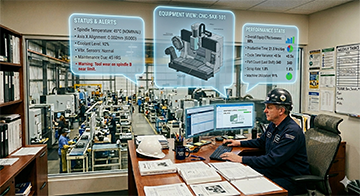 The meticulous upkeep of maintenance records, often perceived as cumbersome, actually makes for more effective asset management. This detailed history transcends mere paperwork; it serves as a vital tool for extending asset longevity, ensuring regulatory adherence, achieving cost efficiencies, and promoting safety. This exploration will delve into the indispensable value of detailed maintenance history and the importance of a computerized maintenance management system (CMMS).
Defining a Comprehensive Maintenance History
A thorough maintenance history necessitates meticulous documentation of various facets of maintenance activities. This applies equally to sprawling industrial complexes and individual home assets.
1. Precise Date Tracking.
Example: A Hospital's Medical Imaging Equipment.
Imagine a hospital using MRI machines. Information that might go into maintenance history includes:
- The date a technician was requested for a calibration check (e.g., March 10, 2024, 9:00 AM).
- The date and time the technician began the calibration (e.g., March 11, 2024, 1:00 PM).
- The estimated completion date and time provided to the medical staff (e.g., March 11, 2024, 4:00 PM).
- The actual date and time the calibration was completed and the machine was returned to service (e.g., March 11, 2024, 3:45 PM).
Why is this important?
- Scheduling. It allows the hospital to schedule patient appointments around maintenance, minimizing disruption.
- Compliance. Medical equipment often has regulatory requirements for calibration frequency. Date tracking proves compliance to auditors.
- Troubleshooting. If an MRI machine starts producing inaccurate images after calibration, the date tracking helps narrow down potential causes. Was there a delay? Was the work completed on time?
- Warranty. If a part used in the repair has a warranty, the date of repair is critical for warranty claims.
Maintenance software that delivers real value
MAPCON helps maintenance teams stay ahead of work orders, support better decisions, and reduce downtime.
2. Detailed Cost Analysis.
Example: A Large Commercial Trucking Fleet.
A trucking company with hundreds of vehicles needs to track maintenance costs meticulously. Here's a breakdown:
- Labor Costs: The hourly rate of mechanics, the number of hours spent on each repair, and any overtime costs. For example, a brake replacement on truck #452 might show 3 hours of labor at $75/hour, plus 1 hour of overtime at $112.50.
- Parts Costs: The cost of each part used, including filters, brake pads, tires, and engine components. This also includes the cost of shipping emergency parts.
- Inventory Costs: The value of parts taken from the company's own inventory.
- Downtime Costs: The estimated loss of revenue due to a truck being out of service. This could be calculated based on the average daily revenue per truck.
- Unexpected Costs: Emergency roadside repairs, towing fees, or rental truck costs.
Why is this important?
- Budgeting. Detailed cost analysis helps the company budget for future maintenance expenses.
- Vehicle Replacement Decisions. By analyzing the cost of repairs for individual trucks, the company can determine when it's more cost-effective to replace a vehicle.
- Vendor Negotiation. Detailed records of parts costs can be used to negotiate better prices with suppliers.
- Profitability Analysis. Downtime costs provide a clear picture of the impact of maintenance on the company's bottom line.
3. Material Usage Inventory.
Example: A Manufacturing Plant with Robotic Assembly Lines.
A manufacturing plant using robotic assembly lines needs to keep precise records of the materials used in maintenance. This includes:
- Specific Parts: The exact part number and quantity of replacement parts used, such as sensors, actuators, and circuit boards.
- Lubricants and Fluids: The type and quantity of lubricants, hydraulic fluids, and coolants used in routine maintenance.
- Consumables: The quantity of consumables, such as cleaning solvents, wipes, and calibration tools.
- Tracking of specialized gasses: Some robotic systems use specialized gasses, and the amount used needs to be tracked.
Why is this important?
- Inventory Control. Accurate material usage records help maintain optimal inventory levels, preventing shortages and overstocking.
- Quality Control. Tracking the specific parts used in repairs helps identify potential quality issues with certain suppliers or components.
- Predictive Maintenance. Analyzing material usage trends can help predict when certain parts will need to be replaced, enabling proactive maintenance.
- Regulatory compliance. Some materials must be tracked for environmental regulations.
4. Labor Identification.
Example: A Large Hotel Chain's In-House Maintenance Department.
A hotel chain with multiple properties relies on its internal maintenance team for various tasks, from HVAC repairs to plumbing and electrical work. Detailed labor identification is crucial:
- Individual Technician Tracking: Each work order should record the specific technician(s) assigned to the task, including their name and employee ID.
- Specialized Skill Tracking: Records should indicate the technician's skill set (e.g., HVAC certified, master electrician) to ensure the right person is assigned to the job.
- Company Vendor Tracking: When outside vendors are used, the company name, contact person, and any relevant certifications should be documented.
- Time Tracking: The amount of time each technician spends on a work order should be recorded.
Why is this important?
- Accountability. If a repair fails or causes further issues, labor identification allows for tracing the responsible technician.
- Performance Evaluation. Tracking technician performance helps identify training needs or recognize exceptional work.
- Warranty Claims. If a vendor's work is under warranty, proper identification is essential for making claims.
- Regulatory Compliance. Some industries require records of who performed specific maintenance tasks, especially for safety-critical systems.
- Scheduling. Knowing the skills of each technician helps the maintenance manager to schedule work orders efficiently.
5. Comprehensive Work Order Management.
Example: An Airport's Ground Support Equipment (GSE) Maintenance.
An airport's GSE, including baggage tractors, pushback tugs, and de-icing trucks, requires meticulous maintenance.
- Work Order Creation: Every maintenance task, whether routine or reactive, should generate a unique work order.
- Work Order Details: Each work order should include:
- Asset identification (e.g., GSE unit number).
- Detailed description of the problem or task.
- Assigned technician(s).
- Priority level (e.g., urgent, routine).
- Materials used.
- Completion date and time.
- Technician's notes and comments.
- Work Order Status Tracking: The system should track the status of each work order (e.g., open, in progress, completed, backlogged).
- Work Order History: All completed work orders should be archived for future reference.
Why is this important?
- Preventive Maintenance Scheduling. Work order history helps identify trends and schedule preventive maintenance tasks.
- Downtime Reduction. Tracking work order status ensures that critical equipment is repaired promptly, minimizing downtime.
- Regulatory Compliance. Aviation regulations require detailed maintenance records for GSE.
- Cost Control. Work order data helps analyze maintenance costs and identify areas for improvement.
- Safety. Detailed work order notes can reveal recurring safety issues, allowing for proactive measures to be taken.
- Auditing. When audits are performed, having detailed work order information makes the process much more efficient.
Accelerate your maintenance results
Pick the next step that fits you best: start your free trial or see MAPCON live with our team.
The Indispensable Significance of Maintenance History
1. Extending Asset Lifespan Through Preventive Measures
Preventive maintenance, guided by historical data, helps extend asset longevity. In the transportation industry, for example, regular inspections and oil changes for commercial vehicles, documented in detailed logs, can significantly extend their operational life.
Accessing historical data allows for precise scheduling of preventive maintenance, preventing over-maintenance and unnecessary costs.
2. Ensuring Regulatory Compliance Across Industries
Certain sectors face stringent regulations regarding asset maintenance. We've mentioned a few in previous sections. Others include the pharmaceutical industry, food and beverage manufacturers, and the energy sector. Construction and other companies must adhere to OSHA standards.
3. Achieving Cost Savings Through Proactive Strategies
A reactive approach, where repairs are only made upon failure, leads to costly emergency repairs and downtime. In the retail sector, a broken HVAC system during peak season can result in significant revenue loss.
Preventive maintenance, informed by historical data, enables early detection and resolution of potential issues, minimizing costly breakdowns.
Analyzing maintenance history reveals trends and patterns, allowing for the identification of assets requiring frequent repairs or replacement.
For example, a fleet management company can analyze the maintenance history of its vehicles to identify those with high repair costs and replace them with more efficient models.
4. Facilitating Insurance and Warranty Claims Effectively
Accurate maintenance records are indispensable for supporting insurance and warranty claims. Again, review the many industries above. Others included in warranty and insurance include the automotive industry, electricians, and home appliance makers.
5. Enhancing Decision-Making Across Operational Levels
Maintenance history provides valuable insights for informed decision-making.
- PM Scheduling: Historical data enables efficient PM schedules. In a hospital setting, maintenance records inform the scheduling of medical equipment calibration.
- Operational Efficiency: Identifying assets requiring frequent maintenance allows for resource allocation and procedural adjustments. A manufacturing plant can analyze equipment downtime to identify bottlenecks.
- Depreciation and Replacement: Analyzing maintenance history informs decisions regarding asset depreciation and replacement. A technology company can use maintenance records to determine when to replace aging servers.
- Labor Management: Knowing average repair times helps supervisors plan labor schedules. A large hotel can use maintenance records to plan the staffing of its maintenance department.
6. Prioritizing Safety and Risk Mitigation
Maintenance history provides an overview of past safety-related repairs and inspections. In the chemical industry, records of safety equipment inspections are crucial for preventing accidents.
Regular inspections and maintenance, informed by historical data, ensure that safety equipment functions correctly.
Compliance with safety regulations, such as OSHA standards, can be demonstrated through accurate maintenance records.
The Transformative Role of a CMMS
A computerized maintenance management system (CMMS) centralizes maintenance history, simplifying record-keeping and enhancing accessibility. What can a quality system do for your operations?
- Enables the generation of comprehensive reports on any input data for assets, inventory, labor, and more.
- Documents compliance with regulatory requirements.
- Tracks material purchases, labor percentages, and overtime.
- Provides a field for comments added to work orders for discussion on future repairs.
By leveraging a CMMS, organizations can significantly enhance their maintenance management capabilities, ensuring efficient and effective asset maintenance.
Put Maintenance History to Work For You
As seen, the value of maintenance history covers numerous industries. Other departments such as purchasing and accounting derive benefits from this history.
Look to a CMMS for a central database that tracks the maintenance history of each asset. You'll notice improved efficiency, productivity, lower costs, and better communications.
FAQs
What is maintenance history and why is it important?
Maintenance history is a record of all maintenance activities for an asset, helping improve reliability, reduce costs, and support better decisions.
How does a CMMS help manage maintenance history?
A CMMS centralizes data, making it easier to track work orders, costs, and asset performance in one system.
Can maintenance history reduce operational costs?
Yes, analyzing past repairs helps prevent breakdowns and reduces expensive emergency maintenance.
What details should be included in maintenance records?
Key details include dates, costs, materials used, labor information, and work order descriptions.
How does maintenance history support compliance?
It provides documented proof of inspections and repairs required by industry regulations and safety standards.
Why choose the CMMS from MAPCON for tracking maintenance history?
MAPCON’s CMMS offers detailed reporting, work order tracking, and data insights to improve maintenance efficiency.
MAPCON | 800-922-4336
Try Our CMMS Software Today!
MAPCON CMMS software empowers you to plan and execute PM tasks flawlessly, thanks to its wealth of features and customizable options. Want to see it for yourself? Click the button below to get your FREE 30-day trial of MAPCON!