



Published July 01, 2026
by Stephen Brayton
• Updated July 01, 2026
Maximize Asset Longevity: A Comprehensive Guide to Preventive Maintenance
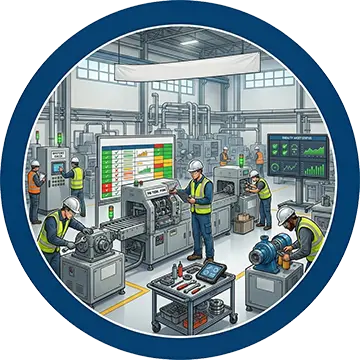 In today's world, whether within bustling industrial complexes or the quiet hum of domestic life, preventive maintenance (PM) stands as the foundation for ensuring smooth, uninterrupted function. You want to maximize asset longevity. Read on for a comprehensive guide to preventive maintenance.
While the concept may seem straightforward, its effective implementation requires a nuanced understanding and a strategic approach. This guide delves into the core tenets of preventive maintenance, addressing fundamental questions and exploring the transformative power of proactive upkeep. By examining industry-specific examples and the critical role of technology, we aim to illuminate how a well-structured preventive maintenance program can elevate efficiency, extend asset lifespan, and ultimately, drive sustainable success.
What is Preventive Maintenance and Why Does it Matter?
Sometimes, people still ask this most basic of questions. Preventive maintenance (PM) represents a proactive strategy focused on preempting equipment failures. By scheduling regular inspections, servicing, and component replacements, organizations can significantly reduce unexpected downtime and costly repairs.
This approach means more than mere upkeep. You should look at it as an investment in operational continuity and asset longevity. In the automotive industry, for instance, consistent oil changes and tire rotations—standard PM practices—ensure vehicles maintain peak performance and fuel efficiency, directly impacting customer satisfaction and reducing warranty claims. Similarly, in manufacturing, predictive maintenance, a form of PM, using sensor data to anticipate failures in machinery, can prevent costly production halts.
What Tasks Constitute Preventive Maintenance?
PMs encompass a broad spectrum of activities tailored to specific equipment and operational contexts. This includes routine inspections, lubrication of moving parts, cleaning to prevent debris buildup,filter replacements to maintain optimal performance, and calibration of instruments for accurate readings.
In aviation, for example, rigorous PM schedules include non-destructive testing of aircraft structures, engine inspections, and hydraulic system checks to ensure flight safety. In the energy sector, power plants conduct regular inspections of turbines, generators, and transformers to prevent outages and maintain a consistent energy supply.
How Often Should Maintenance Tasks Occur?
The frequency of PM tasks is dictated by factors such as equipment type, operating conditions, manufacturer recommendations, equipment readings or other usage measurements, and historical maintenance. Industries often use equipment readings like operating hours, temperature, and vibration levels to form the cycle maintenance intervals.
For instance, in data centers, server usage and environmental conditions help determine maintenance schedules to prevent overheating and system failures. In the transportation industry, fleet management systems use telematics data to monitor vehicle performance and schedule maintenance based on mileage and engine hours.
Accelerate your maintenance results
Pick the next step that fits you best: start your free trial or see MAPCON live with our team.
What Common Challenges Arise in Preventive Maintenance?
Implementing effective PM programs presents several challenges. For instance, you must balance task frequency to avoid over-maintenance, which can lead to unnecessary costs and potential damage.
Making sure you have the right person, crew, or craft for the job also entails some planning. You don't want either an amateur or someone not intricately familiar with the asset to work on it. If you have a technician learning new skills on a particular asset, have assistance to prevent errors that could compromise equipment integrity.
Additionally, operational pressures and resource constraints may keep you from adhering to maintenance schedules. In construction, for example, ensuring heavy machinery like cranes and bulldozers receive timely maintenance can be challenging due to demanding project timelines and remote job sites.
How Do You Develop a Preventive Maintenance Program?
Developing a strong and effective PM program requires a systematic approach.
First, identify all equipment requiring maintenance and document their operational specifications.
Next, establish maintenance cycles based on manufacturer guidelines and operational data.
Create detailed schedules, define specific tasks, assign responsibilities, and allocate necessary resources.
Finally, implement a system for monitoring program effectiveness and making adjustments as needed.
In the healthcare sector, hospitals develop detailed PM programs for medical equipment like MRI machines and ventilators to ensure patient safety and regulatory compliance.
How Do You Ensure Compliance with the Maintenance Program?
Ensuring compliance involves implementing clear procedures, providing adequate training, and fostering a culture of accountability. Checklists on work orders and regular audits can help verify task completion.
In manufacturing, implementing a lockout/tagout procedure during maintenance ensures worker safety and prevents accidental equipment startup.
In the pharmaceutical industry, strict adherence to PM schedules helps keep cleanroom environments and prevent product contamination.
How Do You Measure Maintenance Program Effectiveness?
Measuring PM program effectiveness involves tracking key performance indicators (KPIs) such as equipment downtime, repair costs, mean time between failures (MTBF), and overall equipment effectiveness (OEE). Analyzing these metrics helps identify areas for improvement and optimize maintenance strategies.
In the shipping industry, tracking vessel downtime and repair costs helps optimize maintenance schedules and reduce operational disruptions. In retail, monitoring the uptime of point-of-sale systems and HVAC systems ensures smooth operations and customer comfort.
Maintenance software that delivers real value
MAPCON helps maintenance teams stay ahead of work orders, support better decisions, and reduce downtime.
What Role Does Technology Play in Preventive Maintenance?
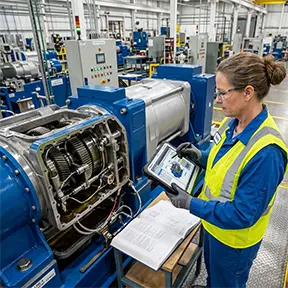 Technology plays a pivotal role in modern PM strategies. Computerized Maintenance Management Systems (CMMS) organize scheduling, task management, inventory control, and reporting. CMMS platforms allow organizations to track maintenance history, generate work orders, and analyze equipment performance data.
Integrating sensors and IoT devices enables predictive maintenance, where equipment conditions are monitored in real time to anticipate failures.
In the airline industry, CMMS systems track aircraft maintenance schedules, manage parts inventory, and generate compliance reports. In the telecommunications sector, CMMS systems help manage network infrastructure maintenance, including tower inspections and cable repairs.
How Can CMMS Usage be Expanded for Better PM?
Expanding CMMS usage involves integrating it with other enterprise systems like Enterprise Resource Planning (ERP) and Supervisory Control and Data Acquisition (SCADA) systems. This integration provides a holistic view of equipment performance and operational data. Leveraging mobile CMMS applications allows technicians to access and update maintenance information in real time. Implementing advanced analytics and machine learning algorithms can enhance predictive maintenance capabilities.
In the food and beverage industry, CMMS systems track equipment sanitation schedules and manage compliance with food safety regulations. In the water treatment sector, CMMS systems monitor pump performance and schedule preventative maintenance to ensure clean water delivery.
How Do You Keep Your Maintenance Program Current?
Regularly review and update maintenance procedures to ensure they remain relevant and effective.
Soliciting feedback from maintenance personnel and incorporating industry best practices can help improve program efficiency.
Continuous training and development programs ensure technicians stay up-to-date with the latest maintenance techniques and technologies.
In mining, PM programs are regularly updated to reflect changes in equipment technology and safety regulations.
In the chemical industry, PM programs are reviewed to ensure compliance with environmental regulations and prevent hazardous material leaks.
What Benefits Does a Well-Executed Program Provide?
A well-executed PM program offers numerous benefits, including reduced equipment downtime, lower repair costs, extended equipment lifespan, improved safety, enhanced operational efficiency, better regulatory compliance, better employee morale because equipment stays reliable, and better productivity throughout the company.
These benefits translate to increased profitability, improved customer satisfaction, and a stronger competitive advantage. In the hospitality industry, well-maintained HVAC and kitchen equipment ensures guest comfort and operational efficiency.
Preventive Maintenance: The Pathway to Maintenance Management Success
The pursuit of optimal operational efficiency and asset longevity doesn't mean you do a job, move on, and forget it. Rather than simply reacting to failures, organizations and individuals alike must embrace a culture of proactive care, continuously refining their maintenance strategies to meet the challenges of tomorrow.
The insights provided herein serve as a foundation, a springboard for innovation and continuous improvement. The future of maintenance lies not in rigid adherence to past practices but in the intelligent application of data, technology, and human ingenuity to forge a new era of reliability and resilience. Let this guide inspire you to not merely maintain, but to optimize, anticipate, and ultimately, to redefine the very concept of asset stewardship.
FAQs
What is preventive maintenance and why is it important?
Preventive maintenance involves scheduled inspections and servicing to reduce equipment failures, extend asset life, and minimize costly downtime.
How often should preventive maintenance tasks be scheduled?
Maintenance frequency depends on equipment usage, operating conditions, manufacturer recommendations, and historical performance data.
What are the benefits of using a CMMS for preventive maintenance?
A CMMS helps organize maintenance schedules, track work orders, manage inventory, and improve equipment reliability and efficiency.
How can a CMMS from MAPCON improve maintenance operations?
The CMMS from MAPCON helps maintenance teams streamline scheduling, monitor asset history, and improve preventive maintenance compliance.
What key metrics should companies track in a maintenance program?
Important KPIs include equipment downtime, repair costs, mean time between failures (MTBF), and overall equipment effectiveness (OEE).
How does preventive maintenance reduce operational costs?
Preventive maintenance helps detect issues early, reducing emergency repairs, extending equipment lifespan, and lowering overall maintenance expenses.
MAPCON | 800-922-4336
Try Our CMMS Software Today!
MAPCON CMMS software empowers you to plan and execute PM tasks flawlessly, thanks to its wealth of features and customizable options. Want to see it for yourself? Click the button below to get your FREE 30-day trial of MAPCON!