




Published July 06, 2026
by Stephen Brayton
• Updated July 06, 2026
The Importance of Equipment Readings for Effective Maintenance Management
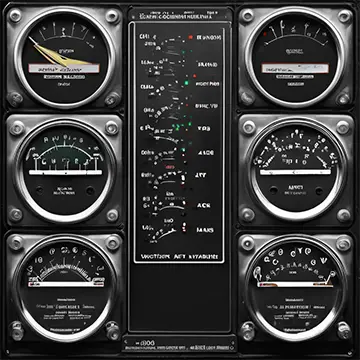 In numerous industries, equipment operates under specific parameters that include readings such as temperature, humidity, RPMs, and liquid levels. These readings, alongside others like mileage and operational hours, have a direct impact on both the performance and the maintenance of equipment. This article explores the importance of equipment readings for effective maintenance management. Supervisors must analyze and understand these to ensure the longevity and efficiency of machines.
Early Detection of Anomalies and Predictive Maintenance
Identifying Equipment Issues Early
Equipment readings provide valuable insights into the normal operating conditions of machinery. By comparing real-time readings with baseline parameters, technicians can spot deviations early, allowing for timely intervention. Early detection means more opportunities to prevent potential failures and minimize downtime.
In the aerospace industry, aircraft maintenance teams use real-time data from engine sensors to detect anomalies, such as a drop in fuel pressure, which can indicate a potential issue before it leads to a malfunction mid-flight.
Optimizing Maintenance Schedules and Cost Reduction
Readings play a critical role in scheduling maintenance tasks. By evaluating readings, supervisors can determine which pieces of equipment need attention first. For example, a machine running too hot may require immediate repair, while another nearing its scheduled oil change might receive a lower priority rating. By prioritizing, managers can better allocate both inventory and labor resources.
By monitoring equipment readings, supervisors can avoid unnecessary over-maintenance, which can lead to excessive costs. For instance, too much lubrication actually works against the asset since components have less friction than needed to operate properly.
While managers can delay some maintenance tasks, the decision to postpone can reduce immediate expenses. Using equipment readings helps the maintenance department refine the work schedule to complete necessary work and save the less critical jobs for later.
For instance, monitoring equipment readings in power plants such as boiler pressure and temperature allows managers to plan maintenance tasks efficiently, reducing unnecessary repairs and optimizing spending on labor and materials.
Maintenance software that delivers real value
MAPCON helps maintenance teams stay ahead of work orders, support better decisions, and reduce downtime.
Improving Equipment Reliability and Safety
Tracking equipment readings ensures that machines operate at their best, minimizing the risk of sudden breakdowns. By adjusting settings or performing minor repairs based on readings, you reduce the likelihood of unplanned downtime, and the machine's reliability remains high.
You must have safety as the top priority in any operation, especially when dealing with heavy machinery. Equipment readings such as vibration levels help prevent safety issues. For example, if vibration exceeds safe thresholds, enact immediate corrective measures to prevent damage to the equipment and ensure the safety of personnel.
Condition-Based Maintenance and Asset Management
Condition-based maintenance provides a fine example that uses equipment readings to determine when to perform maintenance tasks. Yes, you have preventive maintenance (PM) cycles that you follow, but sometimes, PMs don't take into account certain parameters. By basing decisions on actual equipment conditions rather than fixed schedules, organizations can improve efficiency and extend the lifespan of assets. You often see this approach as part of a broader predictive maintenance strategy.
For commercial HVAC systems, technicians use readings from temperature and humidity sensors to schedule maintenance based on the actual condition of the system rather than a set calendar date.
Equipment readings provide crucial data for asset management. They offer insights into the performance, utilization, and lifespan of equipment, helping decision-makers determine the time to replace, upgrade, or retire assets. Proper asset management ultimately leads to better long-term planning and investment.
Regulatory Compliance and Energy Efficiency
Many industries operate under strict regulations regarding equipment maintenance. Regular readings ensure compliance with these standards, particularly in sectors where safety issues present more of a focused challenge. By maintaining accurate records of equipment performance, companies can avoid costly fines and ensure smooth operations.
In pharmaceutical manufacturing, equipment like temperature-controlled storage units are monitored to ensure they remain within regulatory limits, ensuring compliance with FDA standards.
Efficient equipment usage reduces energy consumption, which has both financial and environmental benefits. Equipment readings help identify inefficiencies, such as machines running at suboptimal levels, and allow for corrective actions that improve energy efficiency and reduce operational costs.
Proactive Problem-Solving and Inventory Management
By analyzing trends in equipment readings, maintenance teams can identify underlying issues and address them before they become major problems. This proactive approach helps reduce downtime and maintenance costs by preventing recurring failures.
Effective maintenance scheduling, driven by equipment readings, also influences inventory management. By understanding when maintenance tasks are due, supervisors can manage spare parts inventories more effectively. This ensures that critical parts are always available when needed while reducing excess stock of less-used components.
Take logistics for example. Warehouse managers use maintenance readings to track the status of forklifts and delivery trucks. These help ensure that critical spare parts are stocked in advance for timely repairs.
Accelerate your maintenance results
Pick the next step that fits you best: start your free trial or see MAPCON live with our team.
Data-Driven Decision-Making and Equipment Lifespan
With advanced analytics tools, maintenance teams can gain deeper insights into equipment performance and identify opportunities for improvement. These decisions enhance the efficiency of operations and contribute to overall productivity.
Tracking equipment readings and conducting timely maintenance significantly extends the lifespan of machinery. By adhering to optimal maintenance practices, organizations can avoid premature equipment failure and maximize the return on investment for their assets.
Enhancing Operational Efficiency
Readings can help identify areas where equipment may not be performing at its peak efficiency. For example, by analyzing production rates or energy usage, maintenance teams can uncover opportunities for better conservation-based solutions, leading to better overall performance.
Let's look at two examples:
Agriculture: Operators or maintenance personnel can monitor fuel usage, engine performance, and operational hours of tractors and harvesters. Farmers have a better idea of when to perform maintenance that extends the life of expensive machinery.
Textile Manufacturing: Sensors track machine speeds and yarn tension, helping managers identify when machines need adjustments. This keeps the machines more efficient and reliable.
Continuous Improvement in Maintenance Practices
Just as companies update software systems for better performance, maintenance practices should continuously evolve. Equipment readings provide valuable data that can highlight areas in need of improvement or indicate when new equipment or upgrades are required.
Utilizing CMMS for Efficient Equipment Reading Management
A Computerized Maintenance Management System (CMMS) gives maintenance departments across industries an essential tool for managing equipment readings. Rather than manually recording readings on paper or in spreadsheets, a CMMS offers an organized, efficient way to track, store, and analyze data. This centralized system simplifies maintenance planning and reporting, ensuring that records are easily accessible when needed for audits, compliance checks, or decision-making.
Managers can use the same system to create asset records where equipment readings are stored, create preventive maintenance tasks, convert those into work orders or create new work orders for priority or other jobs, schedule the jobs, and generate reports regarding readings, asset reliability, and performance.
Using a mobile CMMS app provides maintenance teams with real-time access to equipment readings from anywhere. This enhances the speed and accuracy of data collection, enabling quicker response times and more effective maintenance management.
The Critical Role of Equipment Readings in Maintenance
Maintaining accurate and organized equipment readings means better oversight of maintenance strategies, improving operational efficiency, and reducing costs. Implementing tools like a CMMS can streamline the management of these readings and give maintenance technicians a broader perspective of assets and PMs.
FAQs
How do equipment readings improve maintenance scheduling?
By analyzing real-time data like temperature and vibration, managers can prioritize urgent repairs and allocate labor more effectively.
What is the benefit of using a CMMS for tracking equipment data?
A CMMS centralizes all readings, making it easier to identify trends, automate work orders, and ensure regulatory compliance.
Can equipment readings help reduce operational costs?
Yes, monitoring these metrics prevents expensive over-maintenance and helps avoid the high costs associated with sudden equipment failure.
How can maintenance teams respond faster to equipment issues?
Access to accurate equipment readings allows technicians to identify abnormal conditions quickly and address problems before they worsen.
Why are equipment readings critical for workplace safety?
Readings detect dangerous conditions, such as excessive vibration or pressure, allowing for immediate corrective action to protect personnel.
How do mobile apps improve the collection of equipment readings?
Mobile CMMS apps allow technicians to enter data directly from the field, ensuring that asset records are updated in real-time with high accuracy.
MAPCON | 800-922-4336
Try Our CMMS Software Today!
MAPCON CMMS software empowers you to plan and execute PM tasks flawlessly, thanks to its wealth of features and customizable options. Want to see it for yourself? Click the button below to get your FREE 30-day trial of MAPCON!