




Published August 12, 2026
by mapcon
• Updated August 12, 2026
The Hidden Equipment Problems That Quietly Drain Profits—and How CMMS Helps Stop Them
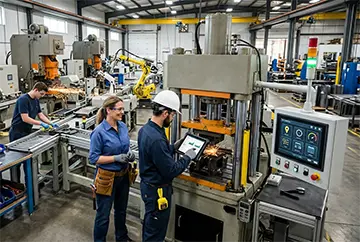 Equipment failures rarely begin with dramatic breakdowns. The title, The Small Equipment Failures Costing You Thousands — And How CMMS Stops Them, highlights a reality many facilities experience every day: the most expensive machine failure often goes unnoticed because it develops through small, recurring issues instead of one major event. A computerized maintenance management system (CMMS) helps maintenance teams uncover these hidden patterns, reduce equipment downtime, and extend asset life through organized maintenance scheduling, detailed work order history, and meaningful reporting.
The Most Expensive Equipment Failure Is Usually the One Nobody Notices
Maintenance discussions often focus on catastrophic equipment failures that stop production for hours or days. While these incidents certainly create significant expenses, they represent only part of the financial picture. Many organizations lose far more money through countless minor issues that occur every day.
A slightly misaligned conveyor increases motor load during every production shift. A worn bearing causes extra vibration that reduces product consistency. A leaking compressed air fitting forces compressors to run longer than necessary. None of these issues may justify an emergency maintenance call on their own, yet together they create a continuous drain on profitability.
These recurring problems often remain hidden because they spread their costs across multiple departments. Production notices slower output. Quality control records slightly higher rejection rates. Maintenance replaces the same components repeatedly. Finance sees rising operating expenses without a clear explanation.
Without organized maintenance records, connecting these seemingly unrelated events becomes difficult.
A CMMS changes that situation by collecting maintenance information in one location, allowing teams to identify recurring issues before they grow into larger operational problems.
Maintenance software that delivers real value
MAPCON helps maintenance teams stay ahead of work orders, support better decisions, and reduce downtime.
Hidden Maintenance Costs Continue Long Before Equipment Fails
Many organizations underestimate the true cost of minor equipment deficiencies because the expenses appear gradually instead of arriving as one large repair invoice.
Small failures often generate several forms of hidden maintenance costs.
Energy Waste That Builds Every Day
Equipment operating below peak condition typically consumes more electricity.
Motors working against worn bearings require additional power. Dirty heat exchangers reduce cooling efficiency. Air leaks increase compressor run time. Hydraulic systems with internal leakage force pumps to operate longer to maintain pressure.
A manufacturing facility may never notice a small increase in monthly utility bills until annual operating costs reveal thousands of dollars in unnecessary energy consumption.
Using a CMMS, maintenance teams document repeated repairs involving specific equipment, making it easier to identify assets that consistently consume maintenance resources. Reports showing frequent motor service, repeated lubrication issues, or recurring cooling system work orders often point toward equipment creating unnecessary energy expenses.
Rather than relying on assumptions, maintenance managers gain documented maintenance histories that support informed repair or replacement decisions.
Quality Inconsistencies Create Expensive Waste
Minor equipment wear rarely produces immediate machine failure. Instead, product quality gradually declines.
In a food processing facility, worn mixer components can reduce ingredient consistency. Packaging equipment with small alignment issues may create sealing defects. Injection molding machines with recurring mechanical adjustments often produce inconsistent part dimensions.
Quality teams may initially view these defects as isolated production issues. However, maintenance work order histories frequently reveal recurring mechanical causes.
A CMMS allows maintenance and production teams to compare work order trends against quality concerns. When recurring maintenance activities repeatedly involve the same machine, managers gain valuable insight into underlying reliability problems affecting finished products.
This relationship between maintenance records and production quality supports better equipment efficiency improvement across the facility.
Slower Production Cycles Often Start with Small Mechanical Issues
Production losses rarely happen overnight.
Equipment gradually loses efficiency as minor mechanical issues accumulate.
Rollers develop additional resistance. Belts stretch beyond recommended tolerances. Gearboxes experience increased friction. Pneumatic cylinders lose operating efficiency.
Operators may compensate by reducing production speed or increasing manual intervention.
Each adjustment appears insignificant during an individual shift, yet annual production capacity can decline substantially.
A CMMS captures work order frequency, repair duration, and recurring maintenance activities for each asset. Maintenance trend reports highlight equipment requiring repeated attention, helping maintenance planners prioritize corrective actions before productivity suffers even more.
Instead of reacting only after major failures occur, maintenance managers use historical reports to identify recurring maintenance concerns that deserve permanent solutions.
Excessive Parts Usage Often Reveals Larger Equipment Problems
High spare parts consumption rarely represents bad luck.
Repeated replacement of the same components often signals an unresolved equipment issue.
For example, a distribution center repeatedly replaces conveyor rollers every few weeks. Initially, maintenance personnel simply order additional replacement parts.
Over time, CMMS work order analytics reveal that roller failures occur almost exclusively along one conveyor section. Additional inspection identifies slight frame distortion creating uneven loading across multiple rollers.
Without historical maintenance records, technicians might continue replacing rollers indefinitely while the underlying structural issue remains untouched.
This illustrates how work order tracking helps maintenance teams move beyond symptom-based repairs.
Instead of focusing only on individual failures, they identify recurring asset weaknesses that generate unnecessary maintenance spending.
Overtime Labor Quietly Increases Maintenance Expenses
Labor often represents one of the largest maintenance costs within industrial operations.
When equipment repeatedly experiences small failures, technicians spend valuable hours performing routine corrective work rather than completing planned maintenance.
The result includes:
- Increased overtime
- More schedule interruptions
- Reduced technician availability
- Delayed preventive maintenance activities
- Greater maintenance backlogs
A CMMS supports improved maintenance scheduling by organizing work according to equipment priority, labor availability, and maintenance history.
Managers gain visibility into technician workloads instead of constantly reacting to unexpected repair requests.
Better scheduling also reduces unnecessary overtime by distributing maintenance work more effectively throughout normal operating hours.
Accelerate your maintenance results
Pick the next step that fits you best: start your free trial or see MAPCON live with our team.
Maintenance Trend Reports Expose "Death by a Thousand Cuts"
The greatest advantage of maintenance reporting lies in revealing patterns invisible during daily operations.
Individual work orders rarely tell the complete story.
Twenty similar repairs across six months tell a very different story.
Maintenance trend reports allow supervisors to answer critical questions.
Which assets consume the most labor hours?
Which machines generate the highest number of work orders?
Which equipment repeatedly requires the same replacement parts?
Which maintenance activities continue increasing every quarter?
These reports transform maintenance data into practical decision-making tools.
Instead of relying on memory or handwritten notes, managers use documented maintenance history to identify recurring reliability concerns affecting overall equipment performance.
This reporting approach supports long-term equipment efficiency improvement while reducing recurring maintenance costs.
Work Order Analytics Reveal Chronic Asset Weaknesses
Every completed work order contributes another piece of equipment history.
Over months and years, this information becomes one of the organization's most valuable maintenance resources.
For example, a pharmaceutical packaging facility notices frequent repairs involving one labeling machine. Individual repairs appear unrelated until CMMS work order analytics reveal nearly identical adjustments performed dozens of times during the previous year.
Management authorizes a comprehensive mechanical rebuild instead of continuing small repairs.
Repair frequency drops significantly.
Production interruptions decline.
Maintenance labor shifts toward higher-value work.
Without centralized work order tracking, identifying this recurring problem would have required extensive manual record reviews.
A CMMS simplifies that process by maintaining searchable equipment histories that support informed maintenance decisions.
Better Maintenance Scheduling Extends Asset Lifespan
 Equipment longevity depends on consistent maintenance rather than emergency repairs.
Delayed maintenance often accelerates wear throughout connected systems.
A neglected lubrication task may eventually damage bearings, shafts, couplings, and drive motors.
Replacing one inexpensive component early frequently prevents several expensive repairs later.
A CMMS supports improved maintenance scheduling (https://www.mapcon.com/us-en/work-order-resource-scheduler) by organizing recurring maintenance activities according to manufacturer recommendations, maintenance history, and operational priorities.
Maintenance teams receive clear visibility into upcoming work, reducing missed inspections and overlooked service intervals.
As maintenance consistency improves, equipment experiences less unnecessary wear, extending useful asset life while lowering total ownership costs.
CMMS Improves Asset Management Through Better Information
Successful asset management depends on accurate historical information.
Without centralized records, equipment decisions often rely on assumptions.
A CMMS provides maintenance managers with documented histories including:
- Repair frequency
- Labor hours
- Parts usage
- Equipment downtime
- Maintenance costs
- Service history
- Inspection records
This information helps determine whether continued repairs remain financially practical or whether replacement delivers better long-term value.
For organizations managing hundreds or thousands of assets, consistent documentation supports smarter capital planning while reducing unexpected maintenance expenses.
Improved Overall Equipment Effectiveness Starts with Reliable Maintenance Data
Improving Overall Equipment Effectiveness (OEE) requires consistent equipment performance.
Availability declines when equipment experiences frequent interruptions.
Performance suffers when machines operate below expected production rates.
Quality decreases when mechanical issues affect finished products.
Small recurring equipment problems influence all three areas simultaneously.
A CMMS supports OEE improvement by organizing maintenance activities, documenting recurring failures, tracking repair histories, and providing reports that reveal reliability trends.
Maintenance leaders gain clearer insight into where recurring problems reduce production performance, allowing resources to focus on equipment generating the greatest operational impact.
Industry Example: Small Issues Become Major Costs in a Distribution Center
A regional distribution center experienced recurring conveyor stoppages lasting only three to five minutes each.
Supervisors initially viewed these interruptions as normal operating events.
After reviewing six months of CMMS work order history, maintenance management discovered more than 180 short stoppages involving the same conveyor section.
Although each interruption seemed minor, total production losses exceeded several full workdays.
Maintenance reports also revealed unusually high roller replacement rates and repeated belt tracking adjustments.
A scheduled corrective project addressed frame alignment, belt tension, and roller installation.
After completion, work order frequency declined, labor requirements dropped, and conveyor availability improved.
The largest financial benefit did not come from preventing one catastrophic breakdown. It came from eliminating hundreds of small interruptions that quietly reduced productivity throughout the year.
Why Maintenance Software ROI Often Comes from Small Improvements
Maintenance software ROI rarely depends on preventing a single catastrophic equipment failure.
Instead, value accumulates through consistent operational improvements.
Organizations often experience returns through:
- Lower recurring maintenance costs
- Reduced equipment downtime
- Better labor allocation
- More consistent maintenance scheduling
- Lower spare parts consumption
- Extended equipment lifespan
- Improved production consistency
- Better Overall Equipment Effectiveness
Each improvement may appear modest individually.
Combined across multiple production lines, facilities, or years of operation, these gains produce meaningful financial results that continue growing as maintenance data expands.
Small Repairs Should Never Stay Invisible
The most expensive maintenance problems rarely arrive without warning. They quietly appear through repeated work orders, rising labor hours, increasing parts usage, and gradual production losses that many organizations accept as normal operating conditions. A CMMS brings those hidden costs into clear view, allowing maintenance teams to make informed decisions based on documented equipment history instead of assumptions. When recurring issues no longer remain invisible, every maintenance action contributes toward longer asset life, stronger equipment reliability, and healthier operating margins.
FAQs
What is a CMMS and how does it improve equipment reliability?
A CMMS centralizes maintenance records, work orders, and scheduling, making it easier to identify recurring equipment issues before they lead to costly failures.
How can a CMMS help reduce equipment downtime?
A CMMS improves maintenance scheduling and tracks recurring repairs, helping maintenance teams address chronic problems that cause unnecessary downtime.
What hidden maintenance costs can a CMMS uncover?
A CMMS reveals trends such as repeated parts replacements, overtime labor, frequent repairs, and recurring equipment issues that quietly increase operating costs.
How do work order reports improve maintenance decisions?
Work order reports highlight repeat failures, asset history, and maintenance trends, allowing managers to prioritize repairs based on documented data rather than assumptions.
Can MAPCON CMMS help extend equipment lifespan?
Yes. MAPCON CMMS helps organizations maintain complete equipment histories, schedule preventive maintenance, and reduce recurring issues that contribute to premature asset wear.
How does CMMS software improve Overall Equipment Effectiveness (OEE)?
By improving maintenance scheduling, tracking work orders, and identifying recurring equipment problems, a CMMS helps increase equipment availability, performance, and production consistency.
MAPCON | 800-922-4336
Try Our CMMS Software Today!
MAPCON CMMS software empowers you to plan and execute PM tasks flawlessly, thanks to its wealth of features and customizable options. Want to see it for yourself? Click the button below to get your FREE 30-day trial of MAPCON!