




Published August 26, 2026
by mapcon
• Updated August 26, 2026
Can CMMS Predict Equipment Failures Maintenance Data?
The Unspoken Data Trail
 Can CMMS predict equipment failures? The question often sparks debate, especially among teams focused on uptime, operational efficiency, and cost control.
Many assume accurate prediction requires expensive IoT sensors, complex vibration monitors, and AI analytics. Yet a quieter, highly effective method already exists inside most maintenance departments.
Centralize your operational records and track asset performance with a robust CMMS software platform.
A CMMS holds patterns—and those patterns tell a clear story long before machines experience catastrophic breakdown.
The "Stockroom & Ledger" Trail
A machine rarely fails without warning. Instead, it leaves clues scattered across work orders, parts requests, and technician notes. These signals often appear mundane—an extra grease tube, a minor adjustment, or a quick fix logged during a late shift—but together they form a pattern.
A CMMS captures this pattern in detail. Each issued part, each logged task, and each repeat issue builds a historical timeline. When maintenance teams track consumption rates tied to specific assets, abnormal behaviors emerge that often precede larger mechanical failures.
This approach does not rely on advanced instrumentation. It relies on discipline in logging work and consistency in inventory tracking. The CMMS becomes less of a passive record-keeping tool and more of an active operational lens.
How Parts Consumption Signals Trouble
Parts usage rarely fluctuates without cause. When consumption spikes, something within the mechanical system demands more attention.
Data from the Society for Maintenance & Reliability Professionals (SMRP) shows that tracking failure metrics and mean time between failures (MTBF) can lower maintenance expenditures by up to 20%.
Consider these common early indicators:
- Rising lubricant usage tied to a single asset.
- Frequent replacement of seals, belts, or filters.
- Repeat corrective work orders within short operational intervals.
- Increased after-hours or emergency maintenance entries.
Each of these signals points toward underlying stress or degradation. A single instance might not raise concern, but a pattern sustained across weeks or months should prompt an immediate investigation.
A CMMS makes this pattern visible by linking parts and labor directly to assets. Without that linkage, teams rely on memory or anecdotal evidence, which consistently misses early warning signs.
Maintenance software that delivers real value
MAPCON helps maintenance teams stay ahead of work orders, support better decisions, and reduce downtime.
Industry Examples: Seeing Patterns Across Sectors
1. Commercial Baking Facilities
In a commercial baking plant, heavy-duty dough mixers operate under continuous loads and tight production deadlines. When a mixer's main drive motor approaches failure, the signs rarely appear as a single dramatic event.
Instead, the CMMS reveals a gradual shift:
- A noticeable increase in grease tube withdrawals over 60 days.
- Two minor belt adjustments logged by night-shift technicians.
- A spike in shaft seal replacements tied to the exact same mixer ID.
Individually, these actions seem routine. Together, they indicate rising friction and mechanical stress. A report tracking part-to-asset consumption velocity highlights this anomaly, allowing leaders to schedule a targeted repair before a full motor seizure halts production.
2. Municipal Fleet Operations
In municipal fleet maintenance, vehicle failures follow a similar trajectory. A CMMS that tracks parts usage across vehicles reveals early warning signs tied to specific units:
- Brake system wear: Increased brake pad replacements compared to peer vehicles.
- Hydraulic stress: More frequent hydraulic fluid top-offs between scheduled services.
- Control issues: Repeated minor work orders for braking inconsistencies.
Explore how our fleet maintenance tracking solutions connect inventory management directly to asset records.
These indicators suggest deeper wear within the braking system or hydraulic components. Teams can intervene before a roadside breakdown disrupts service routes and inflates repair costs.
3. Hospitality HVAC Systems
Hotels depend on reliable HVAC systems to maintain guest comfort. System failures lead directly to guest complaints, room refunds, and reputational damage.
A CMMS tracking maintenance activity might reveal:
- A steady rise in filter replacements for a specific air handling unit.
- Frequent minor repairs related to airflow imbalance.
- Increased refrigerant usage over a short timeframe.
Addressing these minor leaks or airflow issues early prevents massive compressor failures during peak occupancy periods.
4. Water Treatment Facilities
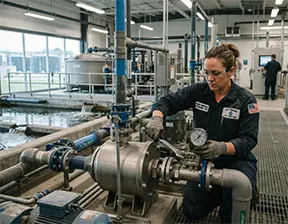 In water treatment facilities, pumps and filtration systems operate continuously. Service interruptions risk public health and regulatory non-compliance.
A CMMS highlights patterns such as:
- Increased gasket replacements on a primary intake pump.
- Frequent minor leak repairs logged over several consecutive weeks.
- Higher-than-normal chemical usage tied to filtration inefficiencies.
Centralizing these signals allows environmental engineers and technicians to fix alignment or seal degradation before severe service disruptions occur.
Why This Approach Works
Machines degrade gradually, and that degradation directly impacts how often components require attention. As physical wear increases, maintenance activity naturally follows.
A CMMS captures this relationship through three key functions:
- Historical Tracking: Every part, fluid, and labor hour links to an asset, creating an auditable timeline.
- Pattern Recognition: System reports highlight deviations from baseline behavior.
- Accountability: Technicians document work consistently, improving overall data integrity.
This combination turns everyday maintenance logs into a decision-making tool—without requiring complex algorithms or expensive hardware installation.
Accelerate your maintenance results
Pick the next step that fits you best: start your free trial or see MAPCON live with our team.
Turning Maintenance Data Into Action
Data collection alone cannot prevent downtime. Teams must actively interpret and respond to the trends surfaced by their software.
Learn more about structuring your daily logs in our article on how CMMS creates work orders.
Effective CMMS data analysis involves:
- Reviewing consumption trends regularly rather than solely during annual audits.
- Establishing internal baselines for "normal" parts usage per asset class.
- Investigating minor anomalies immediately when data drifts from the baseline.
- Encouraging technicians to log detailed, accurate work order descriptions.
For example, if a manufacturing plant notices a 25% increase in bearing replacements across a specific line, the team stops simply replacing bearings and begins investigating root causes like shaft misalignment, improper lubrication, or excess load.
Common Pitfalls to Avoid
Even with powerful software in place, organizations miss critical predictive insights when practices slip. Watch out for these four frequent issues:
- Incomplete Work Orders: Entries that lack detail or skip failure cause codes.
- Unlinked Inventory: Issuing parts from the stockroom without linking them to a specific asset record.
- Irregular Data Reviews: Collecting data continuously but only reading reports when a machine breaks down.
- Over-Reliance on Memory: Relying on verbal communication instead of documented digital histories.
Seeing What Was Always There
Instead of asking whether a CMMS can predict equipment failures like a crystal ball, ask a more practical question: can your maintenance data reveal patterns early enough to prevent failure?
A CMMS does not "predict" in a science-fiction sense. It surfaces physical evidence that already exists within your facility. When teams pay attention to parts consumption velocity, minor work order frequencies, and inventory trends, equipment stops feeling unpredictable.
By looking at familiar maintenance data through an analytical lens, organizations gain earlier awareness, better planning capabilities, and far fewer costly surprises.
FAQs
What is a CMMS and how does it help prevent equipment failure?
A CMMS tracks maintenance history, parts usage, and work orders, helping teams spot patterns that signal potential issues early.
Can a CMMS identify early warning signs of equipment problems?
Yes, it highlights trends like increased part usage or repeated minor repairs that often indicate underlying wear.
How does parts consumption tracking reduce downtime?
By monitoring unusual increases in parts usage, teams can investigate and fix issues before they lead to major breakdowns.
Why is maintenance data important for equipment reliability?
Accurate data reveals trends over time, allowing maintenance teams to make informed decisions and reduce unexpected failures.
How does MAPCON CMMS support maintenance teams?
MAPCON CMMS provides detailed tracking of assets, inventory, and work orders, helping teams uncover patterns and act sooner.
What are common signs of equipment failure in maintenance records?
Frequent small repairs, rising spare parts usage, and repeated work orders often point to deeper mechanical issues.
MAPCON | 800-922-4336
Try Our CMMS Software Today!
MAPCON CMMS software empowers you to plan and execute PM tasks flawlessly, thanks to its wealth of features and customizable options. Want to see it for yourself? Click the button below to get your FREE 30-day trial of MAPCON!