



Published November 24, 2025
by Stephen Brayton
• Updated June 07, 2026
From Reactive to Preventive Maintenance: A Practical Guide for Businesses
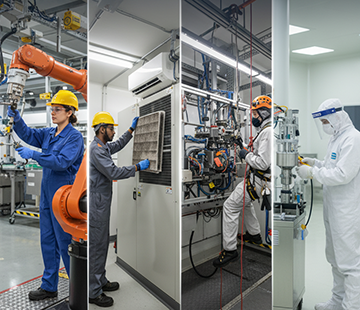 Transitioning from reactive to preventive maintenance requires strategic planning, structured processes, and the right tools. Companies often start with reactive practices due to limited resources, but proactive management improves reliability, reduces downtime, and lowers long-term costs. This practical guide for businesses outlines practical steps for implementing preventive maintenance, highlights how a computerized maintenance management system (CMMS) supports these initiatives, and provides industry-specific insights for effective execution.
Assess Current Maintenance Practices
A thorough evaluation of existing maintenance processes provides a foundation for change. Organizations should identify areas where reactive practices dominate and investigate the root causes of equipment failures. Critical assets, such as production machinery, energy systems, or transportation fleets, demand special attention because their failure disrupts operations across departments. Tracking breakdown frequencies, repair costs, and safety incidents highlights opportunities for preventive interventions.
Industry Example: In a food processing plant, frequent unplanned stoppages on conveyor lines prompted an analysis of failure patterns. Implementing preventive inspections based on these findings reduced downtime significantly.
Establish a Preventive Maintenance Team
Effective preventive maintenance relies on skilled personnel. Organizations should identify existing competencies, address skill gaps, and determine whether additional hires or specialized technicians are necessary. Assigning tasks based on expertise ensures that inspections, calibrations, and repairs occur efficiently.
Training programs should cover equipment knowledge, maintenance procedures, safety protocols, and CMMS usage. CMMS tools provide guidance and track completed tasks, ensuring consistent execution.
Develop a Maintenance Strategy
A maintenance strategy defines objectives and aligns preventive activities with organizational goals. Companies should establish measurable targets, such as reducing unplanned downtime by a specific percentage, increasing equipment availability, or improving labor efficiency.
Part of the strategy involves listing preventive maintenance tasks for each asset, including inspections, lubrication, calibration, and component replacements. Organizations should prioritize tasks based on criticality, historical failure data, and regulatory requirements.
Create a Comprehensive Asset List
A detailed inventory of assets forms the foundation of preventive maintenance. This list should include production machinery, vehicles, buildings, and other infrastructure. Documenting specifications, manufacturer recommendations, maintenance history, and expected lifecycle helps develop accurate PM schedules.
Outsourced services, such as groundskeeping or specialized machinery servicing, should also appear in the asset list, ensuring accountability and documentation.
Perform Risk Assessments
Risk assessments identify potential failure modes, safety hazards, and critical maintenance requirements for each asset. Condition-based monitoring, such as vibration analysis, temperature tracking, or fluid inspections, enhances risk visibility. CMMS platforms can log these readings, alert teams to anomalies, and support compliance documentation.
Industry Example: A regional utility company monitors transformer performance through temperature and load readings. Risk assessments guide preventive interventions, reducing costly unplanned outages.
Maintenance software that delivers real value
MAPCON helps maintenance teams stay ahead of work orders, support better decisions, and reduce downtime.
Develop Preventive Maintenance Plans
Preventive maintenance plans should detail tasks, schedules, cycles, and priorities for each asset. Plans must follow manufacturer recommendations, industry best practices, and insights from risk assessments.
For example, a pharmaceutical manufacturer might schedule sterilizer calibration every month, lubrication of conveyors weekly, and inspection of HVAC systems quarterly. CMMS software allows scheduling, tracking, and adjusting tasks based on real-time data.
Train Maintenance Personnel
Ongoing training ensures that personnel execute preventive maintenance accurately and safely. Training programs should include equipment handling, inspection techniques, data entry, task execution, troubleshooting, and CMMS use.
Well-trained teams increase adherence to schedules, reduce human errors, and improve overall asset reliability. Documenting training within the CMMS maintains records for compliance audits and internal evaluations.
Define Maintenance Schedules
Maintenance schedules replace reactive interventions with predictable, daily workflows. Although unplanned issues may still arise, structured scheduling minimizes disruptions and improves productivity.
Industry Example: An automotive assembly line schedules preventive inspections during shift changes and staggered breaks to avoid production delays. CMMS tools manage schedules, assign technicians, and track task completion.
Inventory Management to Support Preventive Maintenance
A well-organized inventory supports preventive maintenance by ensuring parts and supplies remain available. Classifying stock by criticality, maintaining accurate quantities, and monitoring vendor performance reduces emergency purchases.
CMMS software can track parts usage, predict reorder points, and generate inventory reports, keeping operations consistent and costs manageable.
Create Standard Operating Procedures (SOPs)
SOPs define step-by-step maintenance procedures, safety guidelines, required tools, and equipment specifications. SOPs standardize tasks across technicians, improving efficiency and reducing errors.
Including checklists, instructions, and reference materials within CMMS work orders helps maintenance teams execute tasks correctly and consistently.
Tracking KPIs and Maintenance Metrics with CMMS
 KPIs measure the effectiveness of preventive maintenance programs. Metrics may include equipment uptime, mean time between failures (MTBF), work order compliance, and backlog reduction.
CMMS platforms capture these metrics automatically, enabling management to analyze trends, identify performance gaps, and refine maintenance practices.
Monitor and Evaluate Performance
Continuous monitoring identifies inefficiencies and informs improvement initiatives. Tracking on-time task completion, asset performance, and maintenance backlog provides actionable insights.
Maintenance personnel feedback further strengthens evaluations, revealing procedural improvements or equipment-specific considerations. CMMS dashboards display real-time performance and historical trends, supporting data-driven decision-making.
Accelerate your maintenance results
Pick the next step that fits you best: start your free trial or see MAPCON live with our team.
Foster a Culture of Proactive Maintenance
Promoting proactive behaviors encourages accountability, knowledge sharing, and collaboration. Recognizing employees who identify potential issues or improve preventive processes reinforces the value of preventive maintenance.
A proactive culture extends beyond the maintenance department. Production teams, quality control, and safety personnel contribute to early detection and reporting of potential problems, enhancing overall operational efficiency.
Continuous Improvement Through CMMS Insights
Preventive maintenance programs thrive on continuous refinement. CMMS facilitates this by providing insights into maintenance trends, inventory usage, labor allocation, and cost analysis. Organizations can adjust schedules, expand PM coverage, or integrate additional assets over time.
Industry Example: A logistics company expanded its CMMS use to include fleet fuel monitoring and driver maintenance reporting, further improving preventive practices and reducing unplanned vehicle downtime.
Emphasize Training and Knowledge Transfer
Maintaining a skilled workforce requires ongoing training and knowledge transfer. Experienced technicians can mentor new personnel, ensuring expertise spreads across the team. Documenting procedures, training modules, and maintenance history in a CMMS preserves institutional knowledge and supports succession planning.
Preventive Maintenance Transforms Organizational Operations
Transitioning from reactive to preventive maintenance reshapes operations, enhances reliability, and improves workplace safety. While initial investment in CMMS, training, and inventory may increase short-term costs, these investments yield measurable returns through reduced emergency repairs, extended equipment lifespan, and improved team morale.
Preventive maintenance fosters collaboration across departments and emphasizes shared responsibility for asset performance. Companies adopting structured PM programs supported by CMMS gain greater visibility, control, and predictability, ensuring maintenance efforts contribute directly to business objectives.
FAQs
What are the first steps to transition from reactive to preventive maintenance?
Start by assessing current maintenance practices, identifying critical equipment, and analyzing the root causes of equipment failures.
How does creating an asset list support a preventive maintenance strategy?
An asset list provides a comprehensive record of all property, vehicles, and equipment, which is essential for developing tailored preventive maintenance plans.
What is the importance of a CMMS in defining maintenance schedules?
A CMMS helps organize and manage the proactive scheduling of maintenance personnel, which increases productivity compared to the static nature of reactive maintenance.
What benefits can a company expect after implementing a comprehensive preventive maintenance program?
Companies will typically see a decrease in overall maintenance costs, extended asset life, improved efficiency, and higher employee morale.
How can MAPCON CMMS help track the success of a new preventive maintenance strategy?
MAPCON CMMS can generate detailed reports on key performance indicators (KPIs) like equipment uptime, mean time between failures (MTBF), and labor costs.
What role does personnel training play in moving to preventive maintenance?
Training maintenance personnel on procedures, safety, and how to properly use a CMMS is crucial for the consistent and efficient execution of maintenance activities.
MAPCON | 800-922-4336
Try Our CMMS Software Today!
MAPCON CMMS software empowers you to plan and execute PM tasks flawlessly, thanks to its wealth of features and customizable options. Want to see it for yourself? Click the button below to get your FREE 30-day trial of MAPCON!