




Published December 03, 2025
by Stephen Brayton
• Updated June 07, 2026
21 Essential Workplace Inspections for Safety and Efficiency
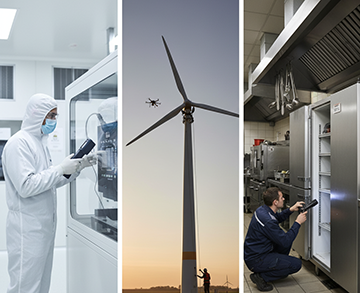 Workplace inspections safeguard employees, protect assets, and maintain operational efficiency. The guide on 21 essential workplace inspections highlights systematic checks across various systems and facilities. Each inspection type requires specific attention, ensuring risks remain minimal while productivity stays high. Proper scheduling and execution can prevent costly disruptions and enhance workplace safety.
Common Workplace Inspections and Preventive Maintenance Best Practices
Electrical System Inspections
Electrical systems demand meticulous attention. Inspect all connections, outlets, lighting fixtures, and equipment cords for twisting, bending, or visible damage. Check that chargers and plugs function correctly. Professional electricians may perform tests to measure current flow and ensure compliance with safety standards. Faulty wiring or neglected outlets can create significant hazards, making regular checks crucial for operational safety.
HVAC System Inspections
Heating, ventilation, and air conditioning systems benefit from regular evaluation. Cleaning vents, replacing filters, and checking thermostats help maintain energy efficiency and consistent performance. Ignoring these inspections can lead to reduced airflow, higher energy costs, and equipment failure. Effective monitoring of HVAC systems ensures a comfortable and safe environment for occupants.
Fire Safety Inspections
Fire safety inspections protect lives and property. Evaluate fire extinguishers, hoses, sprinkler systems, alarms, and smoke detectors for functionality. Replace batteries and confirm that all systems respond correctly. Fire doors and emergency exits require clear access and unobstructed pathways. Alarms on exit doors must function properly, and signage should alert occupants to emergency procedures. Routine checks reduce fire risks and enhance workplace preparedness.
Plumbing System Inspections
Plumbing inspections cover pipes, drains, toilets, sinks, and sewage systems. Inspect for leaks, blockages, and corrosion. Regular monitoring prevents costly water damage and ensures proper sanitation. Timely repairs extend the lifespan of plumbing systems and minimize disruptions to operations.
Maintenance software that delivers real value
MAPCON helps maintenance teams stay ahead of work orders, support better decisions, and reduce downtime.
Equipment and Machinery Inspections
Regular assessment of machinery and equipment identifies wear, tear, and potential malfunctions. Track operational metrics such as PSI, temperature, depth, mileage, or hours in service. These measurements indicate maintenance needs and prevent unexpected breakdowns. Comprehensive equipment inspections also include lubrication, alignment checks, and verifying safety guards and controls.
Roof and Structural Inspections
Roofs and building structures face constant exposure to environmental stress. Inspect roofs after storms or snowfall for damage, leaks, or weakened supports. Evaluate siding, foundations, flooring, ceilings, windows, staircases, elevators, and railings for signs of wear. Weather conditions and routine usage accelerate deterioration, making inspections vital for long-term durability and occupant safety.
Safety Equipment and Security Inspections
Safety inspections extend beyond fire prevention. Confirm the operation of alarms, smoke detectors, fire doors, emergency exits, and safety sensors. Check security systems, cameras, motion detectors, and lighting for adequate coverage and functionality. Ensuring both safety and security reduces accident risks, protects employees, and deters unauthorized access.
Pest Control Inspections
Pest control inspections prevent structural damage and health hazards. Monitor for termites, rodents, and other pests. Use treatment plans or preventive measures when needed. Identifying infestations early reduces repair costs and minimizes disruption to operations.
Lighting and Environmental Inspections
Lighting inspections evaluate fixtures, wiring, and bulbs. Replace dim or broken lights, and consider energy-efficient alternatives. Assess natural light availability to reduce energy consumption and improve workplace comfort. Environmental inspections ensure compliance with regulations, limit pollution, and promote sustainability across operations.
Ergonomic Assessments
Ergonomic evaluations improve workplace safety and employee well-being. Adjust desks, chairs, and monitors to reduce musculoskeletal strain. Consider height-adjustable workstations, supportive chairs, and optimal screen positioning. Ergonomic improvements reduce injuries, increase comfort, and enhance productivity.
Data Backup and Recovery Inspections
Data management inspections confirm that backup and recovery systems operate correctly. Evaluate automated and manual processes for consistency and accessibility. Check cloud storage, servers, and external drives to prevent data loss. Maintaining functional backup systems protects critical information and ensures operational continuity.
Ventilation System Inspections
Ventilation inspections complement HVAC checks. Confirm that air vents, doors, and windows allow proper airflow without obstruction. Maintain indoor air quality and circulation, which supports employee health and reduces energy costs.
Grounds and Landscaping Inspections
Inspect outdoor areas, including walkways, parking lots, curbs, fencing, and landscaping. Identify weather damage, erosion, and hazards like uneven surfaces or animal activity. Maintaining exterior spaces enhances safety, accessibility, and the overall professional appearance of the workplace.
Accelerate your maintenance results
Pick the next step that fits you best: start your free trial or see MAPCON live with our team.
Waste Management Inspections
Waste inspections ensure proper disposal and storage of materials. Monitor recycling practices, container stability, and compliance with local regulations. Proper waste management reduces environmental impact and maintains cleanliness throughout the facility.
Emergency Preparedness Inspections
Assess emergency plans, evacuation routes, and safety protocols. Check emergency equipment, such as first aid kits and personal protective equipment, for quantity, accessibility, and functionality. Regular drills and evaluations increase readiness for unexpected events, protecting employees and minimizing disruption.
Structural Accessibility Inspections
Ensure compliance with accessibility standards to accommodate individuals with disabilities. Verify wheelchair access, adaptive furniture, and facility layouts that enable safe navigation. Maintaining inclusive spaces prevents discrimination and fosters an equitable work environment.
Chemical Storage Inspections
Inspect areas where hazardous substances reside. Confirm proper storage, labeling, and handling procedures. Implement security measures to prevent accidental exposure, spills, or unauthorized access. Adhering to chemical safety guidelines protects employees and the surrounding environment.
Using a CMMS to Manage Workplace Inspections and Safety Checks
 A computerized maintenance management system (CMMS) facilitates inspection management. Supervisors can schedule, assign, and track inspections efficiently. CMMS tools maintain detailed records of cycles, priorities, locations, and completion status. Attaching checklists or instructions ensures consistency and helps teams execute inspections with accuracy.
How Preventive Maintenance Inspections Improve Safety and Compliance
Implementing Regular Inspections
Regular inspections play a pivotal role in maintaining safety, compliance, and operational efficiency. They detect minor issues before they escalate into significant problems. Effective planning, documentation, and execution support a culture of safety, accountability, and long-term facility health.
Building a Culture of Safety Through Workplace Inspections
Continuous Improvement Through Inspections
Workplace inspections act as proactive measures that reinforce operational resilience. Consistent attention to systems, equipment, and structural elements fosters safer and more efficient work environments. Beyond compliance, inspections encourage foresight, reduce disruptions, and build a foundation for sustainable operations. Organizations that embrace thorough inspection routines position themselves for long-term success, minimizing risks while maintaining optimal performance.
FAQs
What is the purpose of regular workplace inspections?
Regular workplace inspections identify safety hazards, equipment issues, and compliance gaps before they escalate into larger problems.
How often should electrical and HVAC systems be inspected?
Electrical and HVAC systems should be inspected at least quarterly, with more frequent checks for high-use or older equipment.
Can a CMMS help manage workplace inspections?
Yes, a CMMS allows scheduling, tracking, and documenting inspections to ensure nothing is overlooked.
What benefits does using a CMMS from MAPCON provide?
MAPCON’s CMMS streamlines preventive maintenance tasks, maintains inspection records, and sends automated reminders to keep operations on schedule.
Why are ergonomic assessments important in the workplace?
Ergonomic assessments reduce injury risks, enhance comfort, and improve productivity by ensuring workstations suit employee needs.
How do chemical storage inspections improve safety?
Proper chemical storage inspections prevent spills, exposure, and regulatory violations, protecting employees and facilities.
MAPCON | 800-922-4336
Try Our CMMS Software Today!
MAPCON CMMS software empowers you to plan and execute PM tasks flawlessly, thanks to its wealth of features and customizable options. Want to see it for yourself? Click the button below to get your FREE 30-day trial of MAPCON!