




Published January 21, 2026
by Stephen Brayton
• Updated June 07, 2026
Preventive Maintenance: Transforming Maintenance Practices Across Industries
Preventive Maintenance Overview
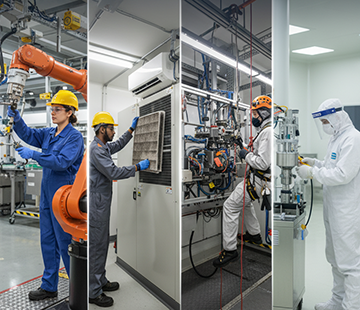 Preventive maintenance (PM) can transform maintenance practices across industries. It serves as the strategic approach to keeping assets functioning before failures occur. Unlike reactive maintenance, which waits for issues, preventive maintenance schedules inspections, servicing, and minor repairs. Companies across manufacturing, energy, transportation, and healthcare increasingly adopt PM programs to maintain reliability, improve safety, and reduce unexpected costs. This article explores preventive maintenance in detail, examining both advantages and potential drawbacks.
Potential Challenges of Preventive Maintenance
While preventive maintenance provides numerous operational advantages, it introduces challenges that organizations must address.
Higher Maintenance Expenses
Regular maintenance involves labor, materials, and energy use. For industries with large fleets or extensive machinery, PM programs can increase operational costs. A mining operation maintaining dozens of heavy-duty drills must budget for replacement parts, lubricants, and labor hours. Without proper management, costs can escalate, but a computerized maintenance management system (CMMS) tracks parts usage and labor allocation, reducing unnecessary expenditures.
Downtime During Maintenance
Some preventive maintenance tasks require taking equipment offline, potentially disrupting production schedules. A brewery performing scheduled cleaning and calibration on bottling lines may temporarily pause operations, affecting output. CMMS tools can schedule maintenance during low-production periods or stagger tasks across multiple assets to minimize impact.
Disruption of Operations
Closely tied to downtime, preventive maintenance may alter workflows. In automotive assembly plants, even brief machine shutdowns can delay subsequent steps in production. Coordinating maintenance around production schedules, using a CMMS, ensures minimal disruption while keeping assets in top condition.
Unnecessary Maintenance on Reliable Equipment
Over-maintenance can occur when equipment shows little wear yet undergoes frequent servicing. Excessive maintenance risks damaging functioning machines and wasting resources. A textile manufacturer might replace components prematurely, incurring costs without extending asset life. CMMS data analytics help identify patterns, preventing unnecessary interventions.
Neglecting Critical Issues
Focusing solely on scheduled tasks may lead to overlooking urgent problems. Maintenance teams might prioritize routine PMs over an unexpected, high-priority repair, such as a malfunctioning conveyor motor in a food processing plant. CMMS allows teams to flag critical issues and adjust schedules dynamically.
Maintenance software that delivers real value
MAPCON helps maintenance teams stay ahead of work orders, support better decisions, and reduce downtime.
Dependency on Spare Parts Supply
Preventive programs rely on timely part availability. Delays from vendors or stock shortages can disrupt maintenance schedules, causing downtime or forcing emergency procurement. CMMS can track inventory levels, predict demand, and issue alerts for critical spares, maintaining continuity.
Human Error
More frequent maintenance increases the potential for errors if technicians lack proper training. Complex machinery in semiconductor fabrication or medical equipment industries demands precision during servicing. CMMS guides technicians through procedures, reduces mistakes, and stores historical records for verification.
Extending Life of Obsolete Equipment
Preventive maintenance may prolong outdated assets beyond their cost-effective lifespan. Operating outdated machinery can reduce overall efficiency and increase energy consumption. Strategic asset replacement, informed by CMMS tracking and cost analysis, avoids prolonged reliance on aging equipment.
Regulatory Compliance Challenges
Constant maintenance does not automatically guarantee compliance with evolving standards. Facilities must focus on critical assets that impact safety or product quality. CMMS maintains audit-ready documentation and highlights overdue inspections, ensuring regulatory adherence.
Resource Misallocation
Performing unnecessary PMs on low-priority equipment diverts labor and materials from high-risk assets. In warehouse operations, minor conveyor systems may receive attention while critical refrigeration units require urgent servicing. CMMS supports resource prioritization based on asset criticality.
Key Benefits of Preventive Maintenance and Maintenance Management Systems
Preventive maintenance offers tangible advantages that typically outweigh the potential downsides when executed properly, particularly when supported by CMMS systems.
Enhanced Equipment Reliability and Availability
Preventive maintenance reduces unplanned breakdowns and keeps production flowing. Manufacturing plants using PM programs notice fewer disruptions because critical machines undergo regular checks, lubrication, and part replacement. CMMS tracks maintenance history, schedules inspections, and alerts teams to emerging problems, increasing overall equipment uptime.
Extended Asset Lifespan
Regular maintenance mitigates wear and tear, extending the life of assets. Industrial printing presses, turbines, and heavy trucks benefit from systematic PM schedules. CMMS records service history and usage metrics, informing maintenance intervals that maximize longevity without over-servicing.
Improved Safety and Risk Mitigation
PM helps prevent accidents, injuries, and health hazards. In construction, maintaining cranes and scaffolding prevents structural failures. Food processing plants reduce contamination risks by keeping machinery hygienic and operational. CMMS documents safety inspections, supporting compliance and reducing liability.
Long-Term Cost Control
Although preventive maintenance increases immediate expenses, it often reduces long-term costs. Equipment replacements, emergency repairs, and overtime labor diminish when PM programs operate consistently. CMMS tools track costs, material usage, and labor efficiency, helping managers make informed budgeting decisions.
Reduced Downtime and Production Losses
Scheduled maintenance identifies potential issues before they escalate. In pharmaceuticals, inspecting packaging lines before failure prevents production halts that could impact supply chains. CMMS generates predictive alerts, enabling maintenance teams to act proactively.
Reporting and Analysis
CMMS provides detailed records on labor, materials, and work orders. Organizations can analyze trends, monitor depreciation, and review maintenance effectiveness. Manufacturing plants leverage these insights to refine PM schedules, reduce costs, and improve reliability metrics.
Improved Regulatory Compliance
Proper documentation supports compliance with industry standards. Hospitals, chemical plants, and aerospace facilities maintain audit-ready records through CMMS, ensuring inspections and servicing meet legal and quality requirements.
Proactive Spare Parts Management
PM programs require organized inventory. CMMS identifies critical spares, tracks consumption rates, and maintains reorder points, reducing emergency purchases and ensuring parts availability.
Effective Asset Management
Preventive maintenance enhances overall asset management. It integrates maintenance, inventory, and work order management into one system. CMMS helps managers monitor asset performance, plan replacements, and allocate resources efficiently.
Continuous Improvement
PM programs foster continuous review of procedures, scheduling, and outcomes. Maintenance teams can identify inefficiencies, improve on-time work order compliance, and enhance workforce performance. CMMS stores historical data and generates actionable insights, enabling iterative improvements.
Accelerate your maintenance results
Pick the next step that fits you best: start your free trial or see MAPCON live with our team.
Industry-Specific Applications of Preventive Maintenance
Manufacturing
Electronics manufacturers use PM and CMMS to reduce machine downtime, improve yield, and extend equipment lifespan. Sensors and scheduled inspections detect early wear on conveyor belts and assembly robots, avoiding production delays.
Transportation
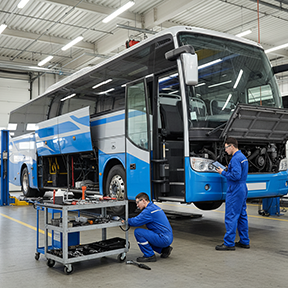 Bus and logistics fleets benefit from preventive inspections and servicing. CMMS tracks engine hours, tire wear, and brake conditions, ensuring vehicles remain safe and operational without costly breakdowns.
Energy Sector
Power plants maintain turbines, generators, and transformers through scheduled PM. CMMS logs performance metrics and alerts technicians to unusual vibrations or temperature fluctuations, preventing costly outages.
Food and Beverage
Breweries and food processors perform preventive cleaning, lubrication, and calibration to avoid contamination and maintain quality standards. CMMS schedules tasks, tracks compliance, and minimizes unscheduled production stoppages.
Healthcare
Hospitals use PM for HVAC systems, sterilization equipment, and diagnostic machinery. CMMS helps maintain inspection schedules, manage parts, and provide audit-ready reports, safeguarding patient care.
Preventive Maintenance: A Foundation for Predictability and Control
Preventive maintenance shifts companies from reacting to crises to managing predictable operations. CMMS acts as a central hub, collecting data, scheduling work, and enabling informed decisions. Equipment failures decrease, operational efficiency rises, and safety improves. While preventive programs require planning and investment, the ability to anticipate maintenance needs rather than respond to emergencies transforms asset management across industries.
FAQs
What is the primary benefit of preventive maintenance?
The primary benefit is enhanced equipment reliability and availability, which reduces unplanned breakdowns and keeps production flowing smoothly.
How does using a CMMS help control long-term maintenance costs?
A CMMS helps by tracking costs, material usage, and labor efficiency, which reduces the need for expensive emergency repairs and overtime labor.
What is a key challenge organizations face when implementing a preventive maintenance program?
One key challenge is the potential for higher initial maintenance expenses due to the regular costs of labor, materials, and energy use.
How can a CMMS, like MAPCON's, assist with avoiding production disruptions?
MAPCON's CMMS can schedule maintenance tasks during low-production periods or stagger work across multiple assets, minimizing disruption to operations.
What role does a Computerized Maintenance Management System (CMMS) play in regulatory compliance?
A CMMS maintains audit-ready documentation, such as safety inspections and historical work records, ensuring adherence to industry standards and legal requirements.
How does preventive maintenance contribute to a safer work environment?
PM helps prevent accidents and injuries by ensuring critical assets, like construction cranes or food processing machinery, are regularly inspected and maintained.
MAPCON | 800-922-4336
Try Our CMMS Software Today!
MAPCON CMMS software empowers you to plan and execute PM tasks flawlessly, thanks to its wealth of features and customizable options. Want to see it for yourself? Click the button below to get your FREE 30-day trial of MAPCON!