




Published December 17, 2025
by Stephen Brayton
• Updated June 07, 2026
20 Essential Safety Practices for Preventive Maintenance
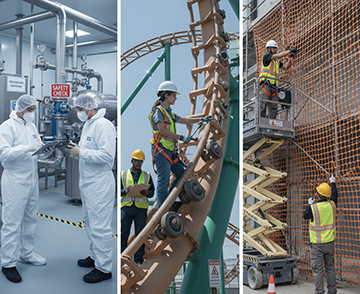 Preventive maintenance safety measures significantly reduce hazards while ensuring equipment operates efficiently. Implementing the right practices minimizes unexpected breakdowns and protects personnel. Safety must remain at the forefront of every maintenance activity, from handling machinery to managing chemicals. This article explores 20 essential safety practices for preventive maintenance to create a safer work environment and prevent injuries.
Preventive Maintenance Safety Measures to Create a Safer Workplace
1. Wear Personal Protective Equipment (PPE) Personal protective equipment forms the first line of defense against workplace hazards. Selecting PPE depends on the task and equipment being serviced. Eye protection shields against debris or chemical splashes, while hard hats prevent injuries from falling objects. Gloves protect hands from cuts, abrasions, and chemicals, and safety footwear guards against crushing injuries. Hearing protection reduces damage from loud machinery, respirators prevent inhalation of harmful substances, and high-visibility clothing ensures visibility in busy or low-light areas. Regular inspections, proper fitting, and training sessions increase PPE effectiveness.
2. Implement Lockout/Tagout Procedures Lockout/Tagout (LOTO) procedures prevent accidental equipment activation during maintenance. These steps isolate machinery from energy sources such as electrical, hydraulic, or pneumatic power and secure it with locks and warning tags. Properly implemented LOTO procedures reduce the risk of severe injuries or fatalities. Consistent training ensures personnel follow these life-saving protocols correctly.
3. Use Safe Ladders and Platforms Falls remain a leading cause of workplace injuries. Using the appropriate ladders and platforms reduces fall risk. Inspect ladders before use, place them on stable surfaces, and equip platforms with guardrails. Maintaining three points of contact and avoiding overload keeps employees safe during elevated tasks.
4. Choose the Right Tools and Use Them Correctly Selecting the right tools for each job prevents accidents and equipment damage. Improvised tool use often results in injury or machinery failure. Even suitable tools pose risks if used incorrectly. Regular inspections, proper maintenance, and training for specialized tools enhance safety and efficiency.
5. Label Chemicals and Hazardous Materials Clear labeling of chemicals and hazardous substances prevents accidental exposure and misuse. Labels must include the substance name, hazards, and handling instructions. Safety Data Sheets (SDS) should accompany every chemical, and personnel should understand proper storage and usage.
Maintenance software that delivers real value
MAPCON helps maintenance teams stay ahead of work orders, support better decisions, and reduce downtime.
6. Adhere to Electrical Safety Protocols Electrical work carries inherent risks. De-energizing equipment before servicing, using insulated tools, wearing protective equipment, grounding machinery, and testing voltage reduces the likelihood of electrical accidents. Following these procedures protects both maintenance personnel and operators.
7. Conduct Regular Inspections Frequent inspections detect potential hazards before accidents occur. Check for worn parts, loose connections, leaks, and signs of deterioration. Document findings and promptly address issues to maintain a safe operational environment.
8. Store and Handle Materials Correctly Proper storage of tools, parts, and chemicals prevents accidents and maintains an organized workspace. Designate storage areas away from walkways and high-traffic zones. Use proper lifting techniques and mechanical aids to avoid strain or injury.
9. Provide Comprehensive Safety Training Safety training ensures all personnel understand procedures and risks associated with preventive maintenance. Sessions should cover PPE use, LOTO, tool safety, hazard communication, and emergency protocols. Conduct regular refreshers rather than one-time instruction to maintain high awareness.
10. Ensure Adequate Lighting Sufficient lighting prevents slips, trips, and other accidents. Portable lights can illuminate task-specific areas. Consider natural or energy-efficient lighting options to improve visibility and reduce fatigue.
11. Follow Machine Guarding Procedures Machine guards prevent contact with moving parts. Removing or bypassing guards creates serious hazards. Regularly check that all guards remain in place and function correctly.
12. Maintain Proper Ventilation Effective ventilation reduces exposure to hazardous fumes, gases, and dust. When working with materials that produce harmful airborne substances, ventilation systems and respirators protect personnel from respiratory risks.
13. Prevent Overexertion Fatigue and overexertion increase accident potential. Schedule regular breaks, avoid heavy lifting without assistance, and use mechanical lifting devices when possible.
14. Maintain Clear Communication Clear communication ensures everyone involved understands hazards and procedures. Radios, signage, and safety briefings help convey instructions and prevent misunderstandings.
15. Keep Work Areas Clean and Organized A clean workspace minimizes tripping hazards and allows quick access to tools and equipment. Promptly clean spills, remove debris, and store materials properly to maintain safety.
16. Provide Fire Protection Equipment Fire extinguishers must remain accessible, with personnel trained in their proper use. Conduct regular inspections of extinguishers, identify fire exits, and ensure alarms function correctly.
17. Supply First Aid Kits First aid kits should remain accessible throughout the facility. Basic first aid training for personnel enables rapid response to minor injuries and enhances overall workplace safety.
18. Follow Confined Space Entry Procedures Confined areas pose unique risks. Conduct air quality testing, provide ventilation, and maintain a rescue plan when personnel enter such spaces. Compliance reduces potential injury or fatalities.
19. Communicate Safety Instructions Clearly Clear, unambiguous safety instructions prevent accidents. Use multiple channels, including radios, signage, and briefings, to ensure understanding. Confirm that personnel know emergency protocols and hazard procedures.
20. Follow Manufacturer Recommendations Manufacturer guidelines offer precise maintenance instructions tailored to each piece of equipment. Adhering to these recommendations promotes safe operation and aligns with industry standards.
Accelerate your maintenance results
Pick the next step that fits you best: start your free trial or see MAPCON live with our team.
How a CMMS Supports Preventive Maintenance Safety
A computerized maintenance management system (CMMS) enhances the effectiveness of preventive maintenance safety practices. By centralizing schedules, tasks, and records, a CMMS ensures that inspections, equipment servicing, and safety checks occur consistently and on time. Automated reminders reduce the risk of skipped maintenance, while digital logs provide a clear record of completed work, including PPE usage, lockout/tagout procedures, and equipment inspections.
CMMS platforms also help manage inventory of PPE, tools, and spare parts, making sure essential safety resources remain available when needed. Tracking hazardous materials, chemical storage, and regulatory compliance becomes easier, lowering the chance of mishandling. Additionally, CMMS analytics identify recurring issues, allowing organizations to address safety risks proactively rather than reactively.
By integrating a CMMS into daily operations, maintenance teams can enforce safety standards more reliably, reduce human error, and create a safer, more organized work environment.
Workplace Safety Measures and a Culture of Preventive Maintenance
Safety measures go beyond compliance; they cultivate a workplace culture where hazards are anticipated and addressed proactively. When every team member recognizes their role in maintaining a safe environment, operations progress more smoothly, and morale improves. Preventive maintenance safety measures reduce risk and instill a sense of accountability that benefits everyone. A consistent focus on safety encourages innovation, efficiency, and confidence across all levels of an operation.
FAQs
What is preventive maintenance and why is it important for safety?
Preventive maintenance involves regular inspections, cleaning, and servicing to reduce equipment failures and protect workers from hazards.
How does wearing PPE improve safety during maintenance?
PPE protects workers from physical, chemical, and environmental risks, reducing the likelihood of injuries.
What role does a CMMS play in preventive maintenance?
A CMMS schedules tasks, tracks inspections, and logs maintenance activities, ensuring safety procedures are consistently followed.
Can CMMS software like MAPCON help track hazardous materials?
Yes, MAPCON CMMS allows organizations to manage chemical storage, monitor usage, and maintain compliance with safety regulations.
How can proper training and communication reduce maintenance accidents?
Training and clear communication ensure personnel understand procedures and hazards, lowering the risk of mistakes during maintenance.
Why should lockout/tagout procedures always be followed?
LOTO procedures prevent accidental startup of equipment, protecting maintenance personnel from potentially life-threatening injuries.
MAPCON | 800-922-4336
Try Our CMMS Software Today!
MAPCON CMMS software empowers you to plan and execute PM tasks flawlessly, thanks to its wealth of features and customizable options. Want to see it for yourself? Click the button below to get your FREE 30-day trial of MAPCON!