




Published March 25, 2026
by Stephen Brayton
• Updated June 07, 2026
Stop the Cycle: Transform Your Maintenance Strategy from Reactive to Proactive
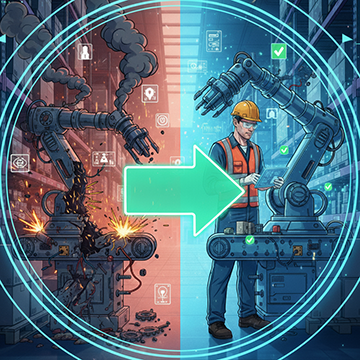 The dreaded phrase, "Bob, that machine is down again," echoes through countless facilities, a stark reminder of the pervasive problem of reactive maintenance. If you're tired of firefighting breakdowns and watching productivity plummet, you should understand how to stop the cycle and transform your maintenance strategy from reactive to proactive.
Reactive maintenance, the practice of addressing equipment issues only after they fail, presents a deceptively simple approach. However, its consequences ripple through every facet of your operation, eroding profitability and hindering growth.
Beyond the Surface: The Tangible and Intangible Costs of Reactive Maintenance
The Financial Burden
- Escalating Labor Expenses: Emergency repairs necessitate overtime, often at premium rates. Furthermore, the chaotic nature of reactive maintenance leads to inefficient labor allocation, with technicians scrambling to address urgent issues rather than focusing on strategic tasks.
- Lost Production and Revenue: Downtime translates directly into lost output. Every hour a machine sits idle represents a missed opportunity to generate revenue. In industries with tight production schedules, even brief disruptions can have cascading effects. These include missing delivery deadlines, reduced customer satisfaction, reduced customer loyalty, and potentially lost future revenue.
- Inventory Inefficiencies: Reactive repairs often require immediate access to spare parts. This leads to unplanned inventory withdrawals. Too many of these can result in stockouts or not having enough parts for the job. Once again, you have further delays, further exacerbating production disruptions.
A reaction to this can mean inventory mismanagement. A supervisor might purchase too many items, some of which they won't use but once or twice per year. Now, you have further budgetary problems and possibly storage issues with not enough room.
Take this a step further. What if you overstock a certain part for an asset, then six months later, you dispose of the asset—obsolete, complete failure, etc.—and you don't replace it with a similar machine? Now you have parts for a piece of equipment that you don't use anymore. More costs in disposing of those and further money headaches.
- Increased Energy Consumption: Malfunctioning equipment often operates less efficiently, consuming more energy than properly maintained assets. This hidden cost can significantly impact your bottom line, particularly in energy-intensive industries.
Maintenance software that delivers real value
MAPCON helps maintenance teams stay ahead of work orders, support better decisions, and reduce downtime.
The Human Impact
- Diminished Productivity and Morale: Maintenance technicians operating in a reactive environment constantly face challenges. These include facing rushed repairs and frequent interruptions. This can lead to burnout, decreased job satisfaction, and a higher turnover rate. Similarly, production line workers experience frustration and stress due to constant delays and equipment failures.
- Safety Hazards: Unplanned breakdowns can create hazardous situations, exposing workers to potential injuries. Malfunctioning equipment may operate erratically, posing risks of electrical shocks, mechanical failures, and other safety hazards.
- Compromised Quality: Rushed repairs can lead to subpar workmanship, resulting in recurring problems and compromised product quality. Reactive maintenance often prioritizes speed over precision, sacrificing long-term reliability for short-term fixes.
The Proactive Paradigm: Shifting from Reaction to Prevention
Many individuals exhibit a proactive mindset in their personal lives, diligently maintaining their vehicles, homes, and health. Yet, many people often overlook those same types of practices in the workplace. This disconnect stems from a variety of factors, including ingrained habits, perceived costs, and resistance to change.
Overcoming Resistance to Change
- Address the "We've Always Done It This Way" Mentality: Companies that have operated under a reactive model for years may find it challenging to embrace a new approach. Emphasize the long-term benefits of preventive maintenance and provide concrete examples of its positive impact.
- Quantify the Costs of Inaction: Present a compelling case for change by demonstrating the financial and operational consequences of reactive maintenance. Use data and metrics to illustrate the true cost of breakdowns, lost production, and safety incidents.
- Foster a Culture of Collaboration: Involve employees at all levels in the transition to preventive maintenance. Encourage open communication and feedback, and ensure that everyone understands their role in the new approach.
Building a Robust Preventive Maintenance Strategy
So, how do you start if you want to move beyond reactive maintenance? Let's look at several suggestions to start you on the right path.
- Conduct a Comprehensive Asset Assessment: Identify critical equipment and assets, and prioritize them based on their impact on production and operations.
- Develop Customized Preventive Maintenance Schedules: Tailor maintenance schedules to the specific needs of each asset, considering factors such as operating conditions, usage patterns, and manufacturer recommendations.
- Implement Condition-Based Monitoring: Utilize sensors and other technologies to monitor equipment performance in real-time. This allows you to identify potential problems before they lead to breakdowns.
- Standardize Maintenance Procedures: Create detailed checklists and job steps for all maintenance tasks, ensuring consistency and quality.
- Invest in Training and Development: Equip your maintenance technicians with the skills and knowledge they need to perform preventive maintenance tasks effectively.
- Establish a Robust Data Management System: Track maintenance activities, equipment performance data, and inventory levels. This data can be used to analyze trends, identify areas for improvement, and optimize maintenance schedules.
Accelerate your maintenance results
Pick the next step that fits you best: start your free trial or see MAPCON live with our team.
The Power of a CMMS: Your Ally in Proactive Maintenance
A computerized maintenance management system (CMMS) serves as the cornerstone of a successful preventive maintenance program. It provides a centralized platform for managing all maintenance-related activities. Let's look at a few.
Key Features of a CMMS:
- Asset Management: Maintain a comprehensive database of all assets, including equipment specifications, maintenance history, and warranty information.
- Work Order Management: Create, assign, and track work orders, ensuring that maintenance tasks are completed on time and to standard.
- Preventive Maintenance Scheduling: Automate the scheduling of preventive maintenance tasks, reducing the risk of missed deadlines.
- Inventory Management: Track inventory levels, manage spare parts, organize the stockroom, gain assistance with the physical count, and implement an issue/return policy.
- Reporting and Analytics: Generate reports on maintenance performance, equipment reliability, and inventory usage. Cost reports, asset reports, inventory reports, purchasing reports, labor reports, and so many more.
Enjoy Productivity and Efficiency With Proactive Maintenance
In essence, moving away from constantly fixing things after they break and towards preventing those breakdowns means more than just saving money. You're creating a smarter, smoother way of running your business. By planning ahead, keeping a close eye on your equipment, and working together as a team, you can avoid those frustrating last-minute emergencies. This shift not only makes your operations more reliable and efficient but also builds a more stable and predictable environment for everyone involved.
FAQs
What is reactive maintenance and why is it costly?
Reactive maintenance fixes equipment only after failure, leading to high costs, downtime, and safety risks.
How can a CMMS help prevent equipment breakdowns?
A CMMS like MAPCON automates preventive maintenance schedules and tracks asset health to prevent failures.
What are the main benefits of switching to proactive maintenance?
It reduces downtime, cuts costs, extends asset life, and improves safety and productivity.
How does preventive maintenance improve workplace morale?
Less emergency work and stress mean happier, more productive maintenance teams.
Can small facilities benefit from using a CMMS?
Yes, CMMS systems help small operations manage maintenance efficiently and reduce unplanned downtime.
What features make MAPCON CMMS effective for maintenance management?
MAPCON CMMS offers asset tracking, work order management, and powerful reporting for smarter maintenance decisions.
MAPCON | 800-922-4336
Try Our CMMS Software Today!
MAPCON CMMS software empowers you to plan and execute PM tasks flawlessly, thanks to its wealth of features and customizable options. Want to see it for yourself? Click the button below to get your FREE 30-day trial of MAPCON!